Good SEO/Bad SEO | Björn Darko, Director Product SEO @ Aviv Group
My guest today is Björn Darko. He leads an Enterprise SEO org by day, and hosts one of the largest German SEO podcasts by night. At Aviv Group, Björn oversees a 30-person team building SEO infrastructure for some of the biggest real estate…
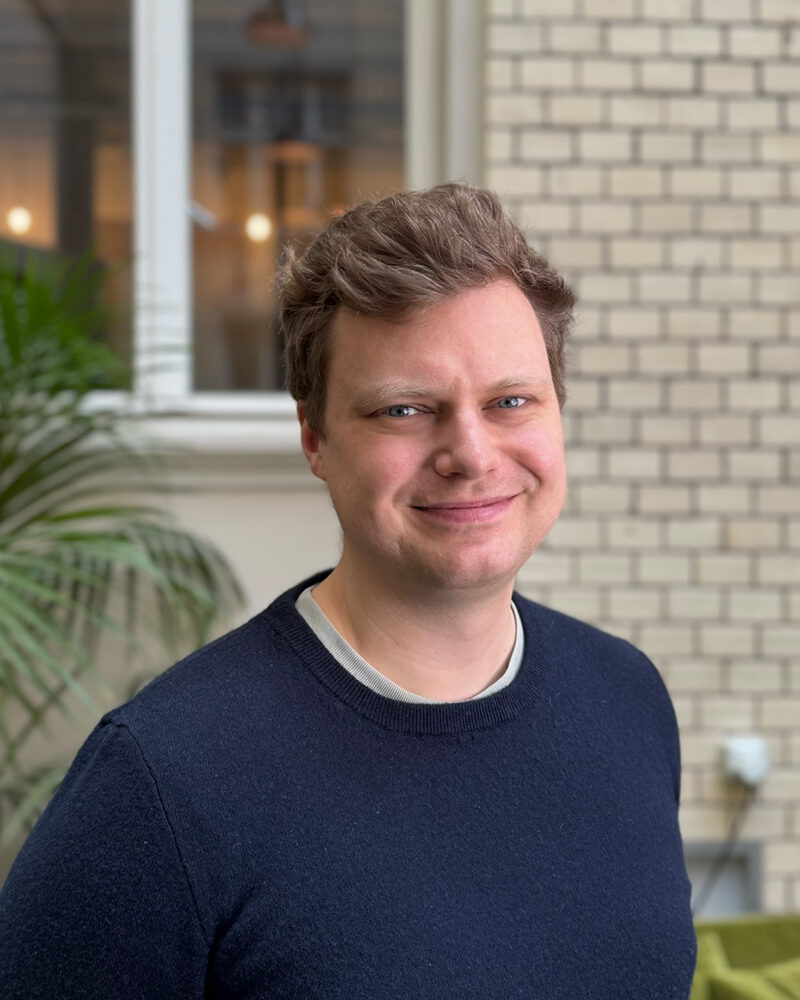
My guest today is Björn Darko. He leads an Enterprise SEO org by day, and hosts one of the largest German SEO podcasts by night.
At Aviv Group, Björn oversees a 30-person team building SEO infrastructure for some of the biggest real estate platforms across France, Germany, Belgium.
I’m very much looking forward to diving deep into Product-Led SEO at enterprise scale, managing teams across multiple countries and brands, and what it’s like to have a full-time job while hosting or co-hosting the SEOPRESSO Podcast and the SEO Product Unveiled podcast.
Full interview with Björn Darko, Director Product SEO @ Aviv Group
Check out the episode on YouTube, Spotify, or Apple Podcasts.
Auto-generated transcript
Niklas Buschner (00:02.498)
My guest today is Björn Daco. He leads an enterprise SEO org by day and hosts one of the largest German SEO podcasts by night. At Aviv Group, Björn oversees a 30 person team building SEO infrastructure for some of the real estate platforms across France, Germany and Belgium. I’m very much looking forward to diving deep into product led SEO at enterprise scale, managing teams across multiple countries and brands.
and what it’s like to have a full-time job while hosting or co-hosting the SEO Preso Podcast and the SEO Product Unveiled Podcast. So welcome to this podcast, the Masses of Search Podcast.
Björn Darko (00:45.294)
Thanks for having me. It’s a great honor. Looking forward to the conversation, Niklas.
Niklas Buschner (00:49.782)
Awesome. It’s a great honor that you made some time in your busy schedule for me. Let’s maybe start with a little like personal background of yours. How did you even end up in SEO?
Björn Darko (01:03.233)
It’s a funny story. It’s not a story where I was raised by Rocket Internet or came from one of these famous… In German we say Kader Schmiede. It’s not the case. My wife, she’s a doctor. When I met my wife, she wanted to go to England.
because all the publications and medicines are mostly in English. So she wanted to have the experience to work in an English speaking country. So we moved to London from Hamburg. I was just done with my studies and I said, yeah, I was specialized on city marketing and city events. And back then there was the planning and place for the London Olympics. So I said, okay, I will join you, I come with you and I will apply for any job at the Olympics.
Main reason for me is to have it in a CV so I can build up in career, And then having Olympics in a CV is quite cool. Turns out, it wasn’t that easy. So I worked in the night in a German sausage shop at the Smithfield market and I tried to apply for a job at the Olympics. I was declined over 50 times. And then I was so frustrated that I actually just went inside of me thinking, okay,
What is it what you can do compared to others? So what others can’t do? And I say, okay, you can speak German. Maybe look for jobs where they look for German speakers, right? And that’s how I ended up at SEO at the end, because then I applied for a role as an SEO editor at Briefgold. Briefgold was a company where you, you sent scrape gold when they estimate the value of it and then they transfer money to a bank account. was a scam at the end of the day.
But I ended up working there and got into SEO. And back then, it was pretty easy to manipulate rankings, right? Because, you my job was to set 150 bookmarks. That was the KPI per day. So I worked with Scrapebox where you could, you know, set up variations of comments, forum spam and comments and social bookmarks. And so it was running the whole day. Other than that, because…
Björn Darko (03:27.481)
It was a scam. There was always negative reviews on Google when you typed in Briefcold. So my morning started typing Briefcold to Google, saw all the negative comments and then wrote positive comments against it. Next day, the positive comments were outranking the negative ones and so on and so forth. And so I was creating blog posts about scrape gold, et cetera, PP. And it was quite amazing to see how fast it ranks. And so it started fascinating me.
How is that possible? How can you do that? And then I changed within London the job and I ended up at Marketing vom Fachmann, also German, or like a company that focuses on different countries, also Germany, and I was responsible for vomfachmann.de and heimarbeit.de.
It was a lead generation platform. You could generate leads for Heimer-Beiten, so where you could assemble pens and stuff, like web design or GPS tracker or moving companies, etc. And so there I learned how important especially content is when it comes to lead generation. And so that’s how I ended up. And then it developed quite drastically then, because I got then a…
I had a call for a job in Switzerland, so I ended up working for Ricardo, etc. And then the rest is history.
Niklas Buschner (05:00.354)
And how much of these early day tactics do you still apply at your job today?
Björn Darko (05:05.836)
I would say the comment spam, not so much anymore. But what I learned about content, especially at MVF and how important content and the structure of content and the essence of content is for lead generation, how it influences the lead conversion rate, that’s still something that…
I really learned and it keeps… So if I work with content editors, I don’t just let them create content. It needs to have a purpose and it needs to have a KPI that we want to drive. That’s something that was really manifested during that time. But then later, you know, at Ricardo, but also at Ringier, also at Searchmetrics, Ladenseil, now at Aviv where I work, I have a more, you know, technical…
view on things and how content, infrastructure, product, etc. features user experience, you know, belongs together and how that plays out well together.
Niklas Buschner (06:13.184)
Awesome, I thought that the common spam tactics reminded me a little bit of what some people nowadays try to do with Reddit, where they try to game Reddit threads for AI search visibility. Do you also see like this similarity?
Björn Darko (06:24.871)
Yeah.
Björn Darko (06:29.551)
I see the similarity and I read a lot of things like where I think that’s like back in the days, like this gold rush, gold hunting era. And I don’t think it’s a good development, to be honest, right? I mean, we came a long way.
Also Google did their part to fight spam and to make the internet a better place at the end of the day. And also I see my job as an SEO and our job as SEO to help make the internet a better place and not a common spam garden full of fake links and bullshit content. So we should…
We should focus on making the internet a good place for users that they like to come to our website, that they like what they read and they like to convert. That’s at the end of today the goal.
Niklas Buschner (07:16.568)
Yeah, I think people just tend to try to manipulate systems, right? They try to manipulate an algorithm if there’s something new. Who wants to stick to fundamentals? Like everybody wants to search for the little growth hacks and stuff. But looking at how you basically practice SEO today, obviously it’s quite different to the early days, but it’s still interesting to see where people are coming from.
Can you take me and listeners and viewers a little bit with you behind the scenes of, let’s say, an average day in the life of Björn today, like in 2026?
Björn Darko (07:59.559)
Yeah, absolutely. So my day starts at 9, 9.30 ish. 9.30 is my first meeting. Every day the same meeting where I meet my direct reports. So structural wise, I have like two heads, head of SEOs, product SEOs. One is responsible for the German market, the other one for the Belgian and French market. Engineering manager, product managers, and head of content, of course.
And so we come together every morning at 9.30 just to check in. Okay, yesterday I was in a meeting with XYZ, right? He, she said this, we should definitely follow up on this. there’s a problem on the infrastructure. Did we check if that has a dependency to us?
Arbjörn, need a check from you. Can you spare some time so that we can go over it? Et cetera. So just to check in, To make sure that everything that happened in the company the last 24 hours, everyone is aware and everyone can jump in if needed. That’s the very first thing. And every morning the same meeting. What happens then is that everyone goes into their kind of squads, right? So the German head goes…
with the German team, French and so on and so forth. And so my job then continues to align with other product directors, for example, where we align roadmaps, looking at initiatives where we work together, where I need their support, where they need our support. So we were quite busy the last two years actually building a white label platform. So SEO wasn’t a very important component for each and every
product director, be it like the category pages, listing pages, product detail pages. So we had to deliver, in order for them to go live, we had to deliver our components, so URLs, breadcrumbs, internal linking structures, et cetera. So there’s a lot of alignment happening and needed.
Björn Darko (10:01.469)
So then it’s mails, it’s different meetings. I also have meetings with our CPO where we do SEO reviews once a month, for example, right? So going through the numbers, through the development, through the roadmap, telling them why we are happy, why we are sad, why we are excited, stuff like that. That’s, would say, like a regular. And then of course being open by…
my direct reports, reports whenever they want to talk or have something that they want to discuss being there and discuss with them.
Niklas Buschner (10:36.835)
Was it hard for you to transition from being how they say individual contributor role in SEO to obviously over a long period of time but into like the leadership roles because I could imagine that you sometimes feel like I want to get my hands on this thing really myself but like probably most of the times you can’t because it would mess with the team and also probably you don’t have time for that but
Björn Darko (10:55.954)
Yeah.
Niklas Buschner (11:05.455)
Take me a little bit like with also the challenges from like the early days of you doing the work yourself, 100 % of the time. now being responsible for quite a large team with 30 people.
Björn Darko (11:17.263)
it’s quite a stretch. Especially in the beginning when you start being responsible for people, but you’re so down in the operational things, like you really have to outbalance that you’re not going to micromanage the person, right? It is really hard. And I also had to learn to delegate tasks and stuff. nowadays, and I’m now on leadership roles since, I don’t know, more than 10 years, most probably. And nowadays, I’m…
it stands and it falls with your recruitment, right? So you really have to have people that you trust, that you know, they’re knowledgeable, that you know, they have the experience, that you know, they have the quality of work, that they have the ethics and work, that they are proactive, that they are not ducking down and stuff like that. So it starts with the recruitment. So if you have somebody in your team that you don’t trust and don’t, know, feel…
or check the boxes that I just mentioned, then you should consider to move persons and get somebody else in. If you don’t do that, then you will always fall back into the operations and say, no, you should do it like this, no, you should do it like that. I think it is really dependent on your recruitment and the team members.
I can say I’m super happy, I’m super lucky that I work with a quite experienced team. All of them are super proactive. They treat the product, they treat SEO as if their own baby. And I can really feel the passion that we all have moving these things towards our strategic goal. And I think that’s quite a lucky circumstance.
Niklas Buschner (13:07.363)
And do you have any specific mental models, ways of thinking, maybe leadership stuff you’ve read over the years where you feel like if somebody maybe steps into this role the first time. So let’s imagine there’s, I know, a startup that has grown quite heavily and now people transition from being the doer to being like the enabler and the leader.
And they are maybe struggling with it because a lot of people are obviously in their first leadership roles there. They might be struggling. What can you share as advice to these people? not to like, how to handle the situations where you feel this urge to micromanage, so to say.
Björn Darko (13:54.471)
Yeah, think first of all, first of all, the book, right? I have a book from Yoko Willink. He’s an ex-Marine and he has written a book that is called Extreme Ownership. It sounds extreme, but it’s extreme. And he relates always to when they were got deployed to, you know, war scene in Iraq in this case. And he’s always transitioned this like being responsible for those people in that situation.
to a leadership situation, right? So it’s quite extreme, but it shows at the end of the day how much purpose and how much you have to bring in of yourself into what you do in order to own the situation. So it’s not just like, okay, we can’t change this because the other team doesn’t want to. It’s your ownership to make them aware that it needs to be changed and work with them together.
If you are down in the operational weeds, it’s your ownership to make a step back and consider the situation from a bird’s perspective in order to know, you go step back, you go step right, you go step forward to arrange the situation. So there’s so much in there that helps you to understand what it means to be a leader and what it means to be responsible for other people.
In this case, it’s about life and death, but you get the point, right? And then I think like, as I said in the beginning, think like the number one thing is like that you, if you come into a new job, where most probably you have different countries, for example, Don’t come in and be bossy, right? Trust the people that already work for a long time for those brands, right?
Niklas Buschner (15:22.904)
Hmm.
Björn Darko (15:40.357)
trust them in the first place and give them like because also you have to build trust over time. It’s not that you come in and everybody says, the Messiah is coming and we are now we are now saved right and rescued. No, it’s not the case. They might be anxious, right? They might be, you know, considering the situation as okay, very unstable. Okay, what’s happening? What is he doing? What you know, and so you have to build that trust and you have to trust the people in the first place and then
over a time when it turns out, you know, they don’t walk the talk, you know, they’re working against you, etc. Then you can get in and, you know, lead them and talk to them, right? I think the second one is also that you shouldn’t, you should consider each and every brand, each and every domain independently, right? So just because you might come from another domain, which was enterprise, which was big, which was great, right? Yes.
the problems might be different, but you don’t know the social interaction, you don’t know the organizational structure in that company that most probably has an influence to how an SEO team, how a product team is working. So you have to understand this. Don’t assume just because you know how it works. It’s the same in every company.
And then last but not least, would also say, like, if you work for different markets, different countries, you should also consider cultural differences, right? In language, nuances, the way how you behave to other team members, right? How you treat them, how you approach them, right? So it’s, I learned it also the hard way when, you know, I work for companies where Americans, you know,
came into the leadership. And Americans tend to believe that it works the same way in Europe than in America. But it’s not the case, right? There are so many cultural differences in the way you talk, approach people, lead, et cetera. And so you really have to consider this and respect this cultural difference and then adapt your language and your style of leadership to the cultural differences. That’s very important.
Niklas Buschner (17:50.683)
There was a lot of gold in that answer and we will definitely put the link to the book, extreme ownership in the description. I have also already heard about it and I feel like the concept is at first maybe a little bit frightening and it can be uncomfortable, but I would say that the more you embrace it, the better it gets and the more natural it also feels right. So we will definitely link this in the description.
Now, you seem to be a strong leader and you have a job that probably requires a lot of your attention. Now, my question is obviously, how do you still manage to host especially the SEOpresso podcast? Because I mean, this is not a podcast that’s just released like once every quarter, but you also…
have a high frequency, so how do you manage to do that?
Björn Darko (18:51.609)
Extreme ownership. is. Yeah, I mean, mean, so I’m doing a lot in the evenings, right? When when kids are in bed and I know the beginning, like if I would tell you the beginning of this podcast, man, like I was I was bringing my kids to bed. Right. And so at that time, they were so young that you as a parent, you still need to be there until they fall asleep. Right. And so I was sitting at the end of the bed. Right.
Niklas Buschner (18:53.348)
Hahaha
Björn Darko (19:19.663)
And I was actually cutting the podcasts, right? While I was waiting for them to fall asleep, right? That’s like, you know, I mean, yes, you could say, okay, great father, right? But it’s like, this is the kind of ownership that you have to bring in, right? You know, that’s it. So I spend a lot of evenings, of course, to produce the podcast when kids are in bed. But I have a system now. I mean, I have done now over 230 episodes. I have a system now that is actually not
not a great effort anymore. So I have intro, outros, I know which kind of filter, so I have a system how I adapt all the filtering and editing and stuff like that and then how I publish it. So I would say it cost me per week, per episode with recording most probably not more than four hours.
Niklas Buschner (20:11.664)
Crazy. Since obviously I’m also hosting a podcast here and still early. I think we are recording episode number, I think it’s 24. I’m not a hundred percent sure, but I’m still below the 30 episode threshold. And I heard this, this interview with Phillip Klöckner and Phillip Glöckler from the Doppelganger Tech Talk. And they said,
you should commit to at least 30 episodes no matter what. most people quit before that. My question is, especially in the beginning, when did you feel like, hey, this is working out, this is maybe also interesting for some people, did you have doubts about the format, does it even make sense, given the time you’re investing, especially…
given the situation with kids so I can hardly late because I have a three year daughter that also wants me to hold hands until she falls asleep, which is cute, but also sometimes challenging. So can you share a little bit, especially about like, let’s say the first year of you starting the podcast.
Björn Darko (21:24.583)
Yeah, absolutely. mean, in the beginning, it was of course, of course exciting, right? Back then, you already had SEO podcasts, think SEO House, Jens Foulgrad was already out and some others. But most of the podcasts were about them, right? So they were telling a monologue. I don’t mean it negative. They were telling a monologue about, you know, things that they saw, etc. So there was never, there wasn’t a format where people were actually
interviewing other people out of the scene. And most of the time when you had interviews it was always people that you already know from stage, from conferences, people that are outgoing anyways. And so I wanted to create a format where you also have people that are not so outgoing, but they still do great work. So they have still great cases, etc. And I was lucky enough that I was already…
I already had quite a good network in the SEO scene, so it was easy for me to find guests as well. And in the beginning, it was hard, right? The first six months, you know, maybe 100, maybe 200 people were listening to the podcast, the first six months, right? And I just opened up my stream. So I have an all time stream development chart here. it’s really the first six months, it’s really 100, 200 listeners.
Then we started to professionalize the podcast in the sense that we created a really professional cover with my contafy on the cover that we started to publish it in the newsletter. Back then I was working for Searchmetrics and Searchmetrics was sponsoring it. And so we went out with, you know, putting also the guest contafy on the social media posts and stuff like that. So it got more attention and then it really started to kicking off. And then in the…
in the first years or so, think I ended up at, let me check, December 2020, was then 500 streams in December 2022. So now we have December 2025, it’s 3349 streams. So it’s quite in development, right?
Niklas Buschner (23:41.561)
Awesome.
Mm-hmm.
Björn Darko (23:44.317)
But in the beginning, yeah, it’s really hard and you have to keep pushing. I think like being constant and publishing constantly at the same time, people can expect you manage their expectations. They’re looking forward to the next episode and stuff. That’s something that you really have to build at the end of the day.
Niklas Buschner (24:05.656)
Awesome. I often say to my team, when I talk about our podcast, that I also do it for very selfish reasons, having very smart people, spending like around an hour with them one on one and being able to ask them all the questions I have. Can you relate to that?
Björn Darko (24:27.089)
That’s also that. Yeah, absolutely. I’m learning so much, you know, and I often tend to okay, this is a new topic. actually I don’t understand the topic. Okay, let’s talk to an expert to it. And then I learned so much about the topic that, you know, you feel really okay, I learned it now I know a little bit about it. So it’s less frightening than before. So I learn a lot like and people are very inspiring as well. The way how how they you know,
create projects and treat projects and run cases and learn also about new topics and stuff. It’s quite inspiring as well.
Niklas Buschner (25:03.972)
Then let’s talk about a topic that you are definitely an expert on and where I also feel like I have a lot to learn still, which is product-led SEO. So the first question I have is how would you differentiate between, let’s say, classic SEO and then product-led SEO? So what makes SEO product-led or not product-led?
Björn Darko (25:28.061)
Very good question. think that for me, classic SEO and product SEOs actually solve the same problem, but in completely different ways. So I think classic SEO is still kind of channel thinking. It starts with, okay, what keyword should we rank for? And then you start optimizing pages, content and links to Windows rankings. That worked really well for a long time. I think, and to be fair, a lot of the fundamentals…
nowadays are still absolutely valid like crawlability, internal linking templates, etc. But I think the mental model is still SEO equals a marketing channel that chips tactics, right? Product-led SEO flips that model from my perspective, right? So it starts with, okay, what problem is the user actually trying to solve and how does our product help them succeed? That’s something that, you know, also, SEOs need to adapt to, right? So instead of then shipping just a page, a new landing page,
you ship capabilities, so to speak. So internal linking becomes then a discovery system. you land on a page, you have an internal linking box somewhere, they click on it and discover a new page. It’s a discovery system itself. A category page becomes a decision engine. So you have a listing page, you go through it and yes, you decide, OK, I click on this detail now and I want to see this.
In our case, this kind of detailed page for a property where I might buy or I might move in or might rent, right? It becomes a decision engine at the end of the day. Content, I would say, becomes an embedded guidance, right? Whereas, know, in SEO you tend to, okay, this page needs to rank, we need content, right? And then put category tags at the bottom of the page. But really treating content…
as something that gives guidance and helps also the user to come to a decision at the end of the day. That’s what content becomes. then also templates, so to speak, become scalable product features. So you don’t just create a template for one page, you create a template so that you can scale it across markets, across your platform, across different kind of capabilities.
Björn Darko (27:51.055)
And for me, SEOs are no longer asking devs for tickets, right? It’s co-owning the roadmap with product and engineering at the end of the day. so I’d say the biggest difference for me is the outcome you optimize for. So classic SEO optimized for rankings, traffic, maybe convergence of product. Let SEO optimize them for user success, product adaption, retention, revenue, brand authority. And it becomes a growth system, not a traffic system.
Niklas Buschner (28:18.449)
Drawing on that, I saw something you wrote which was, quote, most SEO problems are not SEO problems, they are product problems. Can you give me an example from, obviously only stuff you can share from your work or maybe also from a guest from your podcast so people can understand this a little bit better?
Björn Darko (28:41.541)
Yeah, think so.
As I said, when you are an SEO of the old way of thinking, the old mindset, the only goal that you have is to create pages that you rank for specific keywords somewhere, no matter what. You go to the social spam, you go to the link building, you go to just place content somewhere, you trick the system, etc. This will also lead to problems that you later on have to
calculate in your product thinking. The other way around is like when you as a product organization, as a development organization, you change service infrastructure, for example, right? Or you change databases without informing SEO team and suddenly a new number of URLs is being created or a letter is being added to a URL, et cetera, without either redirection, then you have an SEO problem. But the problem is not an SEO problem, it’s a product problem, right?
We often discuss the core web vitals, for example, and actually that’s something that should not be in our responsibility. The performance of a template, the performance of a server, the performance of a website per se is an engineering and products responsibility. They have to take this into account and they have to make sure that the user satisfaction is satisfied. All has been given, right?
And also the discussion of what page ranks for what, right? If the infrastructural setup of how you create pages, how you define tags, how you define titles, how you edit them, et cetera, is not correct, then it’s a product problem, not an SEO problem, right? So the list goes on, but you get the point, right? So you really have to think about the infrastructural things that are given through the product that are being developed.
Björn Darko (30:37.499)
right, in order to be successful in SEO. And that’s why I’m a strong believer of SEO problems. Most of the SEO problems are product problems.
Niklas Buschner (30:47.535)
Hmm. Speaking of mindset, speaking of people that might still stick to an old way of thinking, you published this guide, a good SEO, bad SEO, inspired by the classic, good product manager, bad product manager from, from Ben Horowitz. probably most people know them, but, like one of the most.
Björn Darko (30:59.975)
Yes.
Niklas Buschner (31:11.857)
prestigious and also successful venture capital investors in the US who famously wrote that I think at the beginning of the 2010 years like 2012 or something 2013. He also wrote this book, The Hard Thing About Hard Things. I read it once in a summer vacation in Tuscany. It really insightful. Can highly recommend. We’ll also put it in the video description.
Björn Darko (31:25.425)
Yeah, it’s quite old,
Niklas Buschner (31:39.921)
Can you walk me through your guide, like your thinking behind good SEO, bad SEO?
Björn Darko (31:44.871)
Yeah, absolutely. I just started to realize that we talk a lot about tactics and techniques, but we never talk about mindset, right? And what is a good SEO? Is a good SEO that knows everything and can explain everything to a LinkedIn community? Or is a good SEO someone that really ships things within the company that helps to…
to transfer business value through SEO and connects to business goals. Is somebody a good SEO that is communicating well with stakeholders or shows extreme ownership and stuff like that? Or is somebody a good SEO that just helps in short-term techniques to get a page ranked but then gets penalized because of spam tactics? So we never talk about this kind of mindset. And so when I read that…
piece of Ben Horowitz, which is already like 10 years ago actually, because I was doing this product management certificate at the Business School of Haas in Berkeley. so the professors gave me that piece of letter, right? Good product manager, bad product manager. So, and it just reminded me having read that piece and say, okay,
something like that needs to be written also for SEOs. And that’s why I started to write it. And it’s more about like a memo for, you know, mindset that is needed from my perspective, if you really want to succeed long term in SEO. So good SEO versus bad SEO is not about tools. It’s not about tricks or even best practices. It’s more about how you think about the role of SEO in a company, as I said in the beginning, right? So bad SEO thinks in…
isolated tactics, keywords, rankings, pages, quick wins, etc. It treats SEO most probably as a channel, as I said in the beginning, that chips requests and reacts to algorithm updates, right? I mean, you’re in a really bad position if you always have to react to algorithm updates. You shouldn’t bother at all because you know in between those updates, you do great work at the product. You ship the right things to your product so that you don’t need to be scared, right? And then on the other side, good SEO.
Niklas Buschner (34:04.37)
Hmm.
Björn Darko (34:05.639)
things and systems, it starts with the user problem, the product, the business outcome, and it asks, what are we actually building here? And how does Search help users succeed with it? So instead of just shipping pages, good SEO builds capabilities in that sense. So instead of chasing traffic, it optimizes for value. That’s what I think. And that’s also why I like the Ben Horowitz analogy so much, just like
with product management, right? The difference isn’t execution speed or experience level, it’s the mental model. And that’s why it’s so important.
Niklas Buschner (34:37.276)
I just have it before me like the good SEO, bad SEO you published. And I’d like to look at a couple of things because I feel like there are probably a lot of people that would say, yes, I also want to, as you said in good SEO, align SEO strategy with business goals. I want to do that. But then people have, I think, a hard time in understanding
where they’re going wrong when they optimize for rankings because I think they say, but if I optimize for a good ranking, this will also influence the business goals, right? So, how, like, I can imagine people listening to this actually being a little bit like, yeah, I get it, totally business goals, I’m on it, let’s go, but hey, wait a second, I need rankings for that, don’t I? So what would you?
tell these people like how should they think about that, that there are certain aspects you need to achieve a greater goal, but maybe the focus is wrong or like how to get this right.
Björn Darko (35:48.189)
For me, it’s very simple, For me, ranking or good ranking is always the outcome of your work, right? You shouldn’t say, okay, I want to rank for, in our case, real estate, I want to rank for a three-room bedroom, a masjonette apartment in Berlin, right?
That shouldn’t be your approach. Your approach should be, okay, user comes to our site, is interested in a three-bedroom Masjonette apartment, but we don’t have a landing page for it. So let’s give the user this landing page. And then you start, okay, this landing page also needs a headline, right? This landing page also needs guided content. This landing page also needs the inventory, and it also needs to have triggers so that the user can discover different other pages.
Mesonet one with balcony, with roof terrace, with other capabilities. And so you start from the user and it leads to you create a landing page. All these landing pages get the SEO goodness that you need. And then the outcome is it ranks in insert because you created something for valuable for the user that also Google sees as valuable and therefore you rank. it’s a different starting point, I would say. And that’s why it’s very easy for me to answer this.
Niklas Buschner (37:06.002)
Got it. Let’s talk about another aspect you are really passionate about, which is enterprise SEO. So product led SEO, obviously, but also enterprise SEO, especially given the sheer size of the platforms you are leading the SEO efforts on. The first question also here to help people make sense of that. What would you say? Where does SEO become enterprise SEO?
Björn Darko (37:35.549)
That’s a very good question. think I would define it as if you hit a certain threshold in size, in traffic, but also in organization. I would say if you work in enterprise, you most probably optimize pages or build capability for pages that drive millions of traffic and also search traffic.
You most probably work for a company that has different product squads and teams per website. So there’s not one person responsible for category, detail, homepage and also login area. So you have different product teams that drive the success of those pages. And so I would define it as size and the way how you’re structured and the amount of traffic that you would generate.
That’s something that I would define as enterprise. And also markets, right? So the more you operate in different markets.
Niklas Buschner (38:41.368)
Mm-hmm. And what would you say? How does enterprise SEO differ operationally? Like in terms of the things you are doing or the actual work that the org is doing compared to maybe a smaller team, a smaller site that is doing SEO.
Björn Darko (39:01.725)
Two things I would say. First of all, on the alignment side, think it needs a stronger alignment because you have so much more people being responsible for different areas. What really helps is that you have a globalised strategy and you bring this team behind this globalised strategy. I always like to work with a strategic roadmap approach, meaning that the
It doesn’t matter how many countries or how many team members you have, but you come together, you work on now, next, later strategic roadmap. you align on, okay, globally for the platform, doesn’t matter which country, doesn’t matter which area, but these are the things that we strategically must do for every part of the business, right? And there might be indexation needs to be automated. The way how we create landing pages needs to be automated. The way how we put content.
update content and define content needs to be automated. The way how we steer internal linking needs to be automated. So these are things that you can scale across countries, across platforms, right? And these are things that should be on a strategic roadmap.
And so you bring everyone behind that and of course get their buy-in, you build that roadmap because you also trust all the others, right? So they bring their ideas and so you create this kind of strategic roadmap and you make them sign with the blood, so to speak, so that everyone is behind that roadmap. You also of course need to have check-ins, right? Every quarter or so, okay, are these strategic items still right? Is there something that we need to change? Is that something that needs to be added, et cetera, PP, but they are always in the loop.
They also create the strategic roadmap and then you have, I would say, 50 % in. If you have to buy in on the strategy, you have 50 % in. And then, of course, there are nuances. There are corona lockdowns. There are recessions. are whatever, wars that break out that always come from the side.
Björn Darko (41:07.965)
can shake your strategic roadmap or can shake your initiatives because then other things will be more important and stuff like that. But the core is still there. the core is still, okay, we are behind that strategy on the long-term, it makes sense. Yes, now we have to change a bit on the roadmap, that’s the core of our strategy. so you communicate on it, you check in on it, and you make sure that everyone is bought in.
into that strategy.
Niklas Buschner (41:39.026)
And how do you balance centralization and decentralization? Because I was also once in a, let’s call it pitch process, not classic pitch process, with a European B2B SaaS firm, quite big, so already crossed the 100 million ARR mark. So obviously not like the largest company in the world, but still a decent size. And we were very,
that we have a very strong idea about what to do in the German market. But they decided to do what you just said, first do global alignment, like global strategy. Now, I could still see people listening to this and thinking, but you mentioned cultural differences, you mentioned differences between countries. So is it just…
like an organization necessity to have the global alignment because there are a lot of people, but does it really make sense in terms of performance or are we like maybe losing 10 % of performance that we could push for because we have to do this global alignment? Like what’s your thinking about the whole global versus a country on its own approach?
Björn Darko (43:01.853)
I think that’s very important to distinguish. And yes, you’re right, there’s cultural differences in language, nuances, et cetera, as I said, right? Also in the way how you put pictures on a website, right? In more Islamic countries, for example, you shouldn’t be, know, how do you say, like very new, like the picture shouldn’t, you you know what I mean. exactly, exactly. But what I mean with…
Niklas Buschner (43:21.971)
Mhm.
Don’t show too much naked skin.
Björn Darko (43:30.627)
centralized strategy is everything that you can scale from a platform. Take our example, right? So we have six different websites in three different countries, right? We have one product team that is responsible for this platform. It’s a wide-label platform. So it doesn’t make sense for me and also for the team. It doesn’t make sense to
create a different way of indexation in Belgium than we do in France. It doesn’t make sense to create a different template structure in Germany than in Belgium. So this is something that needs to be centralized in order for you to ship your product capabilities across the countries. So you have one template, this template is tied to
the six different domains and so you build one feature and you can decide, okay, this goes to Belgium but also goes to Germany and also goes to France. Or maybe we should adapt the internal linking features in France differently to Germany. Then you can’t do that as well because you have the domain dependencies, right? But the core, the way how you scale should be centralized. And then yes, of course, if in France we have different…
landing page filters, for example, right? In France, people are interested in a villa with pool, right? In North of Germany, most probably no one is interested because the weather is shit, right? But in South of France, that’s something a user really wants, right? So you have to make sure that this is localized, right? Where the capability to scale it actually to our countries is centralized, right? And also when it doesn’t come to product capabilities like, you know,
I always make sure that also the people that are responsible for a specific market, they communicate to the marketing team as well. If they have a new campaign that is specialized in that country, needs SEO help, then so be it. So they do it, that’s centralized. But everything that you can scale on the platform, that is centralized.
Niklas Buschner (45:37.118)
Hmm. When we’re talking about alignment, global alignment strategy, I immediately thought also about sea level, like how to work with sea level. And I know it’s also a topic that you are spending a lot of time thinking about. so first of all, we are always starting with like giving people an idea about why is this important? Why should.
You care like if somebody listening listens or views and is working in SEO, maybe even already in a leadership role. Why should you care about, C level, like how to actually communicate your stuff to C level.
Björn Darko (46:19.163)
Yeah, very good question. And that’s something that I really had to train. But I feel that I’m in a position now where I really cracked the code, so to speak. So first of all, why is it important that you talk to or you care about leadership? You must care about leadership because at the end of the day, when it comes to resources, if it comes to support, if it comes to being at the table when big decisions are happening,
Niklas Buschner (46:29.491)
Please share it.
Björn Darko (46:46.993)
you must be friends with the C-level, right? So you must take care of them and you must make them understand what SEO or product SEO in that sense can do for the business and do for the business goals, right? So.
I had good and I had bad C level. So I had C level that you know, we’re looking at SEO just like a channel, right? I do SEO, okay. It’s performance marketing, okay, why should I spend that money but I don’t get the ROI, right? So you have to explain them, it’s not like performance marketing. So everything that you invest now most probably will come back as an ROI in six and 12 months or so. But if you don’t do it now, then like it cascades to a later stage and the longer you
the longer the RRI is coming back. So that’s something that you really have to make sure. Also, when I say I crack the code, I would just tell you what works for me. So I do have a monthly meeting with the C-level. So there’s the CTO and there’s the CPO. And there’s of course my direct boss, the Senior Director of Product Engineering.
And so I have a slide deck and the slide deck is a monthly SEO review where we go through our visibility compared to our competitors, our rankings, top one, two, three rankings compared to the competitors, our revenue not compared to the competitors, but is somewhere.
somehow compared to the year before, etc. So all the development that you can show and progress. And what’s then really important is that you not just show the numbers that are developing, but you also show them, which initiative actually led to that kind of development. Because at the end of the day, they are responsible of putting resources into product teams, right? If I say, okay, we want to build X, right, I need two more developers, then they will ask me, okay, if I…
Björn Darko (48:45.309)
take out developers from that team and put it to use. So what is the ROI? What does it bring me in terms of value? And so you have to be really, really clear about this one so that they can make the decision and the trade off at the end of the day to say, okay, we take out two developers there and give it to Björn because he can generate value much quicker than the other team, for example. So that’s something that you have constantly to update them.
Also, when it comes to lingo, we often discuss about this. We as an SEO, we have our own lingo and we expect that others understand when we say rankings and visibility and whatnot. But it’s not the case. especially sea level, have like, sea levels like helicopters.
They come like a helicopter, they land and there’s a lot of dust, right? Then you have like 10 minutes to explain them something and then they start off with the helicopter and go to somewhere else and land there and there’s another and so on and so forth. So in that 10 minutes you really have to make sure that they stay on the ground, right? So that they understand what is happening. They have 1,000 stones and under each stone there is another initiative and another urgency and stuff like that.
But what they need to understand is like how is SEO tied to the business goals at all. If you crack that code and make sure that the development of SEO is connected to those businesses, then they’re all ears, all eyes and ears. And so I also had the opportunity then to present, so we have also monthly business reviews where the entire company also the CEO is there. And I had tons of…
possibilities through tests that we made, to experiments that we made, to also present in that round so that the entire company also understood what SEO is doing and how is that connected to the business goals and stuff like that. And that’s something that you as an SEO really should learn and really should adapt your communication and behavior and mindset so that you get that support.
Niklas Buschner (50:58.246)
Very much love the helicopter analogy. feel like these images always help a lot to really make sense of the situation. Now you said you cracked the code now and it really sounds good, but it also sounds like in the beginning you maybe sometimes didn’t get it so perfectly right. Can you share a little bit about maybe, maybe even some meetings where you felt like, damn.
Björn Darko (51:19.708)
Yes.
Niklas Buschner (51:28.136)
This is not going well. What went wrong there? And like, how, how did you like not put your head in the sand, but how did you understood like what you have to do to make it better?
Björn Darko (51:42.459)
Yeah, so first of all, I think in the beginning I was also like this victim or like, you know, guilty of, you know, sitting in a room and expecting that a C level, I mean, it’s a C level, it’s a CEO, it’s a CPO of a digital company, right? How can a C level don’t understand how SEO works, right? I didn’t…
I couldn’t understand it. So I was like, if I would be in his shoes or in her shoes, I would understand it fully. But this is a misconception. Again, they have thousand things and they need to take care of a thousand things. And so you have to make it as easy as possible understandable for them. And yes, so I think the hardest meetings I ever had were especially after Google Co-op.
updates, right? If you were negatively hit, right? Explain the why. my god, good luck with that, right? So, I mean, you know it by yourself, right? You have to dig into everything. And it’s really hard nowadays to really come to a conclusion why you got hit versus others. It’s really hard. Back then it was easy, right? There was one specific folder. Yes.
maybe we’re bit spammy, yes, maybe the quality was not right, yes, maybe we have a lot of duplicate content, very easy. But nowadays it’s really hard, especially if an whole industry got hit, right? Then it’s just a whole industry. And so yeah, the competitor also got hit, what can I do, right? And so these kinds of meetings are really, really hard. So what I learned, and this maybe as a tip also for the listeners.
What I do whenever there’s a Google core update, I have a Slack group where C level is in, where stakeholders are in. And I tell them, look, there’s a Google core update now being around. So I’m not scared. So we have done X, Y, Z, right? So all the good stuff. It shouldn’t be too negative on us. But still, what is happening, I will always tell you.
Björn Darko (53:47.405)
Every Monday, I will give an update once the visibility metrics as a leading indicator, as a first indicator are being updated, I give you an overview. How are we doing versus to competitors? Is there any impact to the traffic so far? Is there any impact to the conversion so far? And so on and so forth. And I will always give charts and comparisons to the competitors and explain them what is happening. And so that is something that where you can prevent finding yourself in a meeting and say, Björn,
What the fuck is that? Why did we drop 25 %? Now you can say, look, you were aware there was a Google core update. We didn’t do something wrong, but the whole industry somehow got hit. And that’s something where Google is very invisible of what they are doing. we can, I’m pretty sure if we just keep.
on our strategy, we keep shipping all this goodness that we have planned. It’s good value for the users, good for the platform. Then next we’ll go up that we will win again. So these are things that I can share, which are very, very helpful.
Niklas Buschner (54:52.392)
Hmm. I think especially these situations where there’s like an external factor happening, a Google core update you mentioned. I can also imagine a lot of people having these same like moments of, disbelief, last year when AI overviews were rolled out, in, in, in Germany, especially if you’re talking about German market, but maybe like every market that is not the U S so that got the EU rollout.
How do you handle these situations where you, from the specialist perspective, you know that there’s this external thing and it affects you a lot, but obviously you can’t just suggest to C-Level that you are doing an easy job and just blaming this external factor.
like when people are blaming the weather or like in the summer holidays for a downturn in demand. So I think this is not easy to handle and what’s like your experience on how to navigate this well.
Björn Darko (56:02.139)
Yeah, very good example. Also something that we had, of course, to steer, right? So what we did is like, so the monthly reviews that I had with my CPO and CTO, I was already announcing, okay, AI overviews is coming also to Germany. Back then, it was just in the US. So one of my head, he was in the US for holidays. And so he made a lot of screenshots, how it was like in the US, like, especially for real estate queries.
So made a screenshots, we put it into a deck and I presented it to the CPO and CTO and said, look, this is what’s coming to Germany. We don’t know yet what the impact is, but we have to be prepared. And back then, like our assumption was that the detail page, for example, becomes more more important. And it shows also now, if you look at the referral traffic coming from chatbots to 70%, it’s the detail page that is being traffic referred to.
We made a lot of assumptions, course, showed the screenshot, made a lot of assumptions and said, look, we can be prepared. This is the strategy that we think we should go now. And so our CPOs said, okay, you have to bring that to the board. So what happened next is like, I presented this whole case to the board of directors. The whole C-level was in there. I presented it and just got their approval to be…
get into the preparation, get the resources, everything that you need, tell us and also give us an update. And so it turned out when it was rolled out in Germany, it wasn’t that dramatic as we anticipated, but it doesn’t matter. I think you should always go a bit higher in your assumption and say, OK, that’s the worst case. And then, of course, if it’s much better, then you’re in a good position. But at least you prepare everybody.
And there’s no surprise afterwards. Okay, why did we drop now 20 or there’s some numbers out there say 70 % traffic or clicks are being dropped, right? You have to explain that and the better you prepare your board, the better you prepare the sea level, you know, the better it’s for you at the end of the day.
Niklas Buschner (58:13.037)
But that also sounds a lot like one of the principles from extreme ownership, like actually doing upwards management. So managing your manager, so to say, because you had to like stay on top of the game, seed coming and you put it on the agenda in saying, hey guys here, this is coming. You haven’t asked me for this, but it’s my responsibility to do it, right?
Björn Darko (58:18.193)
Yeah. Yes.
Björn Darko (58:30.226)
Yes.
Björn Darko (58:35.407)
Yeah, exactly. Also now with JetGPT and Perpexity. My God, like, I mean, when it came out the first time, right? It’s like the managing directors, people in meetings, like they really painted an apocalyptic view on those things. my God, they steal all the traffic. my God.
these agents will manage viewings for properties and stuff like that. And I said, okay, hold on, breathe now, okay? Calm down, calm the fuck down. And so I started to write a monthly blog post in the intranet where I gave them an overview about the referral traffic, how it’s compared to the Google traffic, the visibility, also again, like in these LLM tools compared to the competitors, how is an LLM seeing us, et cetera.
It really started them to, it really helped them to say, okay, actually it’s not that bad, right? And say, yes, but just listen to the experts, right? Don’t believe the hype, don’t believe the hype, listen to the experts, right? And so that also helped them to be prepared and get an overview about what’s going on and stuff like that. But again, extreme ownership, you have to manage that upwards, right? If you see, okay, there’s a misconception about a thing that you know.
better that you know it’s not true, then it’s your ownership to make them make sure that they understand the facts and the reality.
Niklas Buschner (01:00:00.981)
Hmm. I also remember a situation. think it was in, it was quite late, but around August last year, 2025, when we were in talks with a potential new client and we were talking to the CEO and he then once before we had like the final pitch meeting, so to say, he said, Hey, just remember the one, one of the members of the board said,
It’s all GE. no. Nobody cares about SEO anymore and this is something that it was very kind because you know, expectations to manage but I also feel like I mean in the end it’s probably it comes down to us being like very inside the research and being like on the on on like the the the front of the developments again, so we can’t just lean back and
Expect everything to stay the same over the next even like six months, right? We had to have to like really also I feel like the last three years have really Challenged a lot of people also to develop their own hypothesis more about where this landscape is going and like the whole ecosystem is going right? And this hasn’t been the case for quite some time So I also wanted to ask you if the agents like the AI agents are not doing
Björn Darko (01:01:18.033)
Yes, yeah, yeah.
Niklas Buschner (01:01:28.661)
the viewings now. What do you see as developments or like maybe things that will change over the course of the NAS next like 12 months, also two to three years? Like will it stay the same as it is now? Will we have another dramatic shift coming? Like give us a little bit of your thoughts.
Björn Darko (01:01:53.629)
One side of me, I’m also long enough in the game that I experienced mobile get on and blockchain and I can’t even remember voice search. mean, also, all these things. And yes, there was also a hype, but it turned out not actually being that important. I think now we really have a fundamental shift. I really believe this.
And I think Cystrix just published the numbers. you compare, like in chat GPT, not everything is equal search, right? So if you compare just the search to Google searches, I think four to 9 % is what they publish, right? So the rest is like coding, translating, doing task, et cetera, right? So search per se, yes, is something that most probably change in a behavior. And I see it in my own behavior.
I use Google not as often anymore as Shared GPT. But I use Google mostly for information-based queries, which I find a much better user experience than on Shared GPT, because Shared GPT gives me angles in an answer that I even didn’t consider.
It gives me one step more. It gives me like an angle more. It gives me one thought more, so to speak. Right. And that’s a quite nice experience for me, for me personally. And so I think like in this area of informational base, wisdom, you know, output or, you know, how to do things in a structure, like helping to structure things and helping to build things and stuff. I think that that will be quite fundamental. We don’t know how Gemini is now progressing.
I mean, I just started to also use Gemini and I feel it’s some things like Gemini is way better. But still, mean, we are in the very early days. Everything developed so drastically and so fast. I’m not in a position to say, okay, in two years we will see this or that. It can change so dramatic. If MCP, if UCP, if that becomes a thing now, we don’t know, especially on the UCP, it, you know,
Björn Darko (01:04:15.311)
it must have a much better user experience than a very good online shop in order to be like really groundbreaking, right? So we don’t know the adaption, you know, in our bubble, of course, everything is hyped and everything is great and everything, you know, my God, is changing. But the average people out there, you don’t know the adaption, right? We don’t know, right? And so I don’t want to put myself into a position where I forecast the future and it will be different.
do know based on my feeling experience and what I see is that search in chatbots will be an addition to what we see in search in Google, right? People will still Google, they will still go to Google, but it will also go to TikTok, especially the younger generation. And some will also go to JGPT. So I think we have to consider search not as only Google, but also as multi-platform.
a multi-platform environment. So there are different platforms where search is happening and that’s what we have to bring into the SEO’s responsibility and ownership as well to also optimize and make sure the user gets the same value as on the website.
Niklas Buschner (01:05:32.405)
Hmm. I also thought about the, you mentioned the, UCP, like the, the, the commerce protocols or like the agent take protocols. also feel like sometimes, that. So there has always been like an effort to bring instant checkout to platforms. only I think in either July or August last year, 2025 meta actually discontinued developing like the Instagram and Facebook instant checkout.
And you could also argue that a lot of people are influenced towards their buying decision by Instagram stories, by influences, et cetera. So it would make a lot of sense, but I totally agree with you. Like the user experience has to be really, really, really solid. Like the best possible online shop. And I also thought maybe people are now more inclined to think, hey, this should be true because now everybody has like their ETF portfolios.
Björn Darko (01:06:14.215)
Yes, yes.
Niklas Buschner (01:06:28.714)
with the S &P 500 being a very high weight. No, just kidding. But for a lot of people, it’s good if these things are true and these companies are growing.
Björn Darko (01:06:39.613)
But here’s the thing, because you mentioned Instagram, right? I was also a victim already twice or three times ordering something on Instagram. And here comes the user experience again. It’s not the user experience per se on Instagram, but the user experience, what happens afterwards, right? So whenever you buy something, like it’s rarely something that doesn’t come from China. So A, you have to wait a long, long time.
I also had like the post knocking at my door asking me for a tax refund where I had to pay on top, bad user experience, then the product comes into your house, very bad quality, you paid a high price for it because it was really nice demonstrated in an Instagram video or stuff like that. you said, cool, I really need to have this. Comes to your house, really bad quality.
bad user experience. And I also had the case that where I transferred money already and then the product never came and it turned out it was an online shop, which actually doesn’t exist. So they just post videos on Instagram with a nice product that you think, okay, I need this. It’s very cheap. Okay, let’s get it. It’s never a bad user experience. And the same happens and also most probably on the Gentic. I think you still need to have the trust on the brand. If I order something on Amazon or Otto, I know it’s
good price, it’s on my own decision. If I want to order this or that from this brand or that brand, it’s my own decision and I can expect good quality and I can expect it’s delivered next day or within the next two days. And I can also expect I can send something back and I get my money in return, right? So there’s trust and authority and brand awareness like still plays a huge role. And it’s just my personal behavior.
I wouldn’t trust an agent because I just, you know, I have to fly to Switzerland now very often back and forth. So I was running an agent and say, okay, give me the best price at the best time, know, but the best connection stuff. And it turned out they just gave me a connection and the price, which was three times higher than when I would go to Swiss Airlines, which is already like a, you huge spread and most probably a bit more expensive.
Björn Darko (01:08:56.637)
And it was three times higher with the agent than with myself. That’s a bad user experience. And as long as it’s a bad user experience, I would still go to the website itself.
Niklas Buschner (01:09:06.282)
Yeah, I also feel like oftentimes people have this misconception of AI and also AI agents, whatever, being like this absolute super brains that can access all the information in the world, but they don’t get it right. In my opinion, that you sometimes also just have to have access to certain data sets they don’t have access to. So for example, flights and like flight prices and
Also in your case, real estate data, like the actual listings data about the rent prices, the buying prices over a certain period of time, et cetera. There will maybe be a point in the future where this data then will be accessible. But I think it will probably be the same with like a Reddit or someone where it will include licensing agreements.
So the companies that sit on these large data sets, they will charge a lot of money for the AI companies to have access to that.
Björn Darko (01:10:09.765)
And then, and that’s a discussion I had with Professor Dr. Mario Fischer, because he was also writing this, okay, the death of the internet, right? And so we had to discussion as well as like, okay, that means that companies that own this kind of data must actually become API first, right? And then you can charge those systems for requesting the API for this kind of datasets, right? And then actually that’s a kind of a change that I…
I can imagine could happen. I mean, it also happens in the software space. You also worked in a software space, right? Where you have a large data set. If you become API first, right? And you make that data accessible, you can charge a way higher price than just like a ticket for the normal interface and standard dashboards that every user gets, right?
Niklas Buschner (01:10:55.703)
Yeah, a hundred percent. Please keep me updated when you will put this on the agenda for your C-level meeting in the upwards management sense. But Björn, we already passed like an hour and 10 and I feel like this conversation has been so insightful. I can definitely see us doing like an update episode in a couple of months. I always try to make these episodes as actionable as
Björn Darko (01:11:04.061)
You
Niklas Buschner (01:11:25.149)
as actionable as possible and I think you like 110 % delivered on that. I didn’t expect anything less. But to round it up, I would like to bring in two final questions. The one I will already disclose. The last one will be a surprise one. So if you think about someone that might be stepping into their first SEO or
Björn Darko (01:11:32.145)
Merci beaucoup.
Niklas Buschner (01:11:53.088)
and GEO organic growth, whatever leadership role potentially also as you managing multiple brands and or countries What would be maybe also summarizing from what you already shared? What would be like your top two to three pieces of advice for them?
Björn Darko (01:12:09.917)
Trust the people that already work for the brands and trust their feelings, their assumptions. Most problems are structural product problems. If you fix it, fix it so that all brands and countries can benefit and stop just putting plasters on one platform. Consider cultural differences in languages, nuances, pictures, etc. And get the communication and the buy-in from the sea level right.
Niklas Buschner (01:12:37.225)
Awesome. That’s really solid. Now my last final surprise question is, what is something that we didn’t talk about, but should have talked about?
Björn Darko (01:12:50.589)
most probably experiments, right? So you asked me what’s the difference in enterprise or large platforms versus smaller ones. And I think like the way how you experiment things like, you you should not always go with the big bang, you know, you create a specific feature or you have a specific hypothesis and then say, yeah, that’s cool. Let’s roll it out, right? You should test it on small chunks of traffic on a small country on a small smaller platform.
Niklas Buschner (01:12:55.735)
Mm-hmm.
Björn Darko (01:13:18.681)
and prove your hypothesis and then roll it out gradually to the other platforms. again, like do a lot of testing, right? So also C-level, they like, they love hypothesis. Like if you come out and say, if we do this, I can imagine that we can generate X percent more traffic clicks or conversions, right? They love that. And if you prove that point, you you run in open arms and open doors.
Niklas Buschner (01:13:45.193)
Awesome. I think this is already then a very strong teaser for our update episode that we should definitely do because I enjoyed the conversation so much. hope that people also could feel it. I felt like this was very, very insightful. Thanks so much for sharing so much of your, not only the things you do, but also especially the way how you approach it, how you think about stuff, your mental models.
Björn Darko (01:13:50.321)
Yes.
Niklas Buschner (01:14:11.893)
I feel like there was so much to learn for people. Thanks so much for coming on. If people feel the same like me and they want to follow you around, obviously we already mentioned something here and there, but what is the best place or what are the best places to follow you?
Björn Darko (01:14:29.781)
LinkedIn, Instagram or you just hit me a mail on seoepresso.com
Niklas Buschner (01:14:35.999)
Awesome. And the SEOpresso podcast is only available in German, right? But do you have any plans to do like a AI dubbed version in English?
Björn Darko (01:14:46.685)
I checked it already out. There’s a feature on Riverside. It’s quite expensive. But I do also have English guests from every now and then. last week was Pedro Diaz. I had Red Fishkin. I had Alayda Solis. I had Eli Schwartz. I already had a lot of English guests as well. So from time to time I have them.
Niklas Buschner (01:14:51.575)
Yeah.
Niklas Buschner (01:14:56.842)
Niklas Buschner (01:15:08.587)
Awesome. Okay, then Excuse my misconception and that was mine And then people go check out SEOpresso.com one word SEOpresso like the espresso.com And if you feel like hey, there’s too much German episodes at the top. You just have to scroll down a little bit Check it out beyond. Thanks so much for coming on. Thanks so much for taking the time much appreciated and hope to catch up soon
Björn Darko (01:15:29.959)
Yes.
Björn Darko (01:15:38.845)
Thanks for having me. Ciao, Niklas.
Niklas Buschner (01:15:40.93)
Ciao ciao!
Ready to make organic the channel you can count on?
Book a 30-minute call with the Radyant team. We'll dive into your category, share what we've seen work in similar situations, and outline a plan if there's a fit.